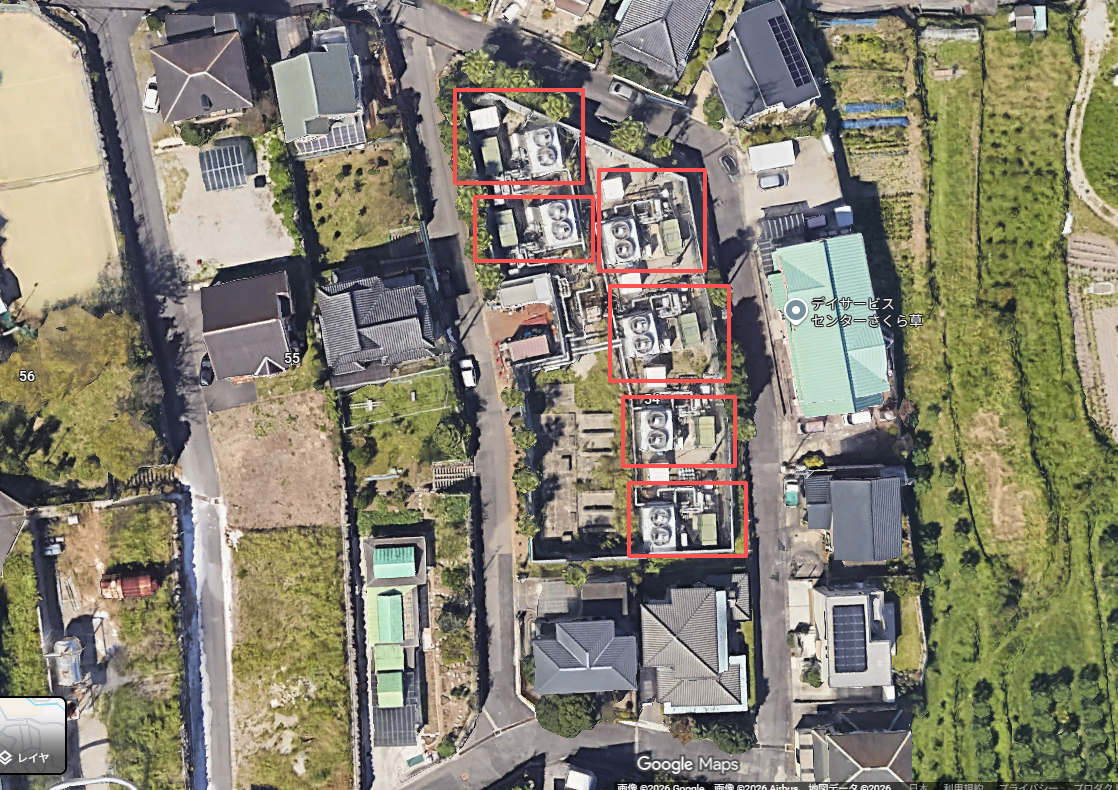
Applying green energy reduces electricity costs for businesses
Applying green energy solutions is becoming an important way for enterprises to reduce electricity costs and enhance competitiveness. By integrating technologies such as solar photovoltaic systems, energy storage, and intelligent energy management, companies can significantly lower their power procurement expenses while improving overall energy efficiency. Distributed renewable energy stations can provide stable clean electricity and reduce reliance on traditional power grids, helping businesses mitigate risks from electricity price fluctuations. At the same time, companies can reduce carbon emissions and strengthen their sustainability profile, building a more stable, efficient, and environmentally friendly energy system. 🌱⚡🏭
Solar power generation and energy storage power stations
We can provide customers with solar power generation and energy storage power stations to supply electricity to the grid or for their own use, saving excessively high electricity costs.
Solar power generation boasts advantages such as cleanliness and low cost, but its output is intermittent, affected by day and night and weather conditions. By constructing supporting energy storage power stations, excess electricity generated during the day can be stored and released at night or when sunlight is insufficient, achieving time-based power transfer and stable output. Solar power generates electricity, while the energy storage system regulates and smooths the flow; combined, they form a near-24/7 continuous power supply system. This model not only improves the utilization rate of new energy sources and reduces curtailment of solar power, but also lowers electricity costs through peak shaving and valley filling, improving overall energy efficiency. In data centers, charging stations, or high-energy-consuming equipment scenarios, the coordinated operation of solar power and energy storage provides a sustainable solution for stable power supply and economic benefits.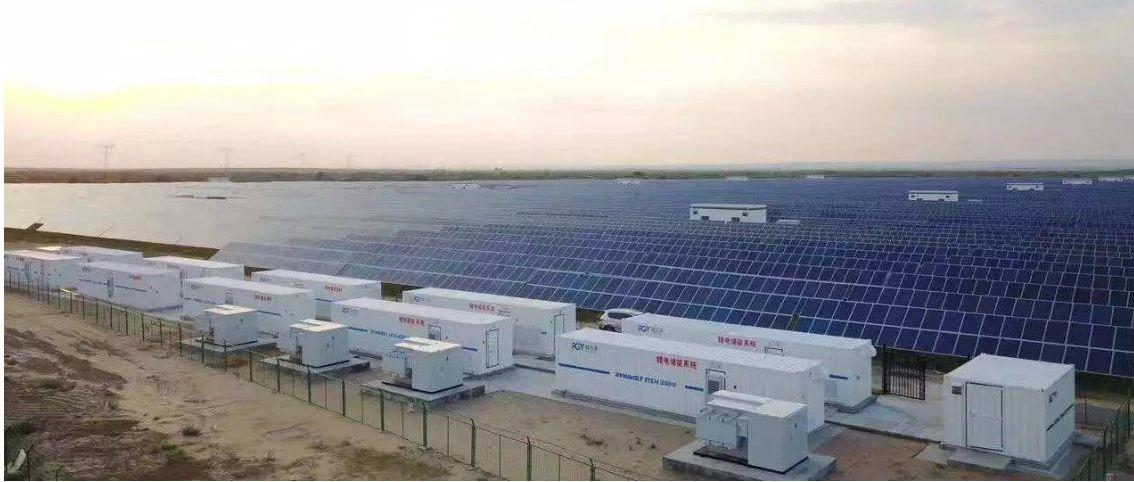
Solar-powered carports and charging stations in the parking lot
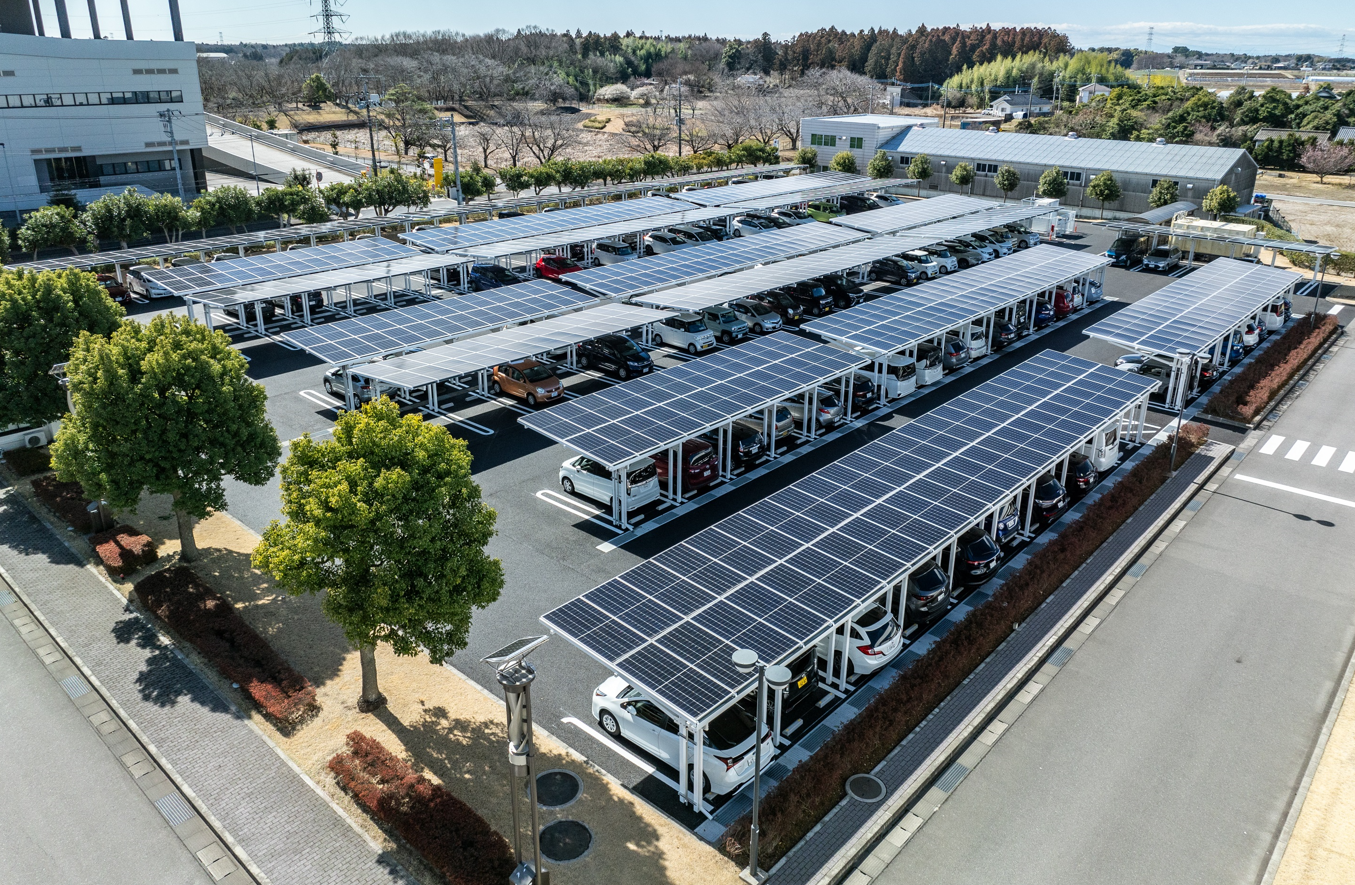
We provide complete solutions for solar-powered carports and charging stations, enabling parking lots to generate multiple benefits from electricity and charging.
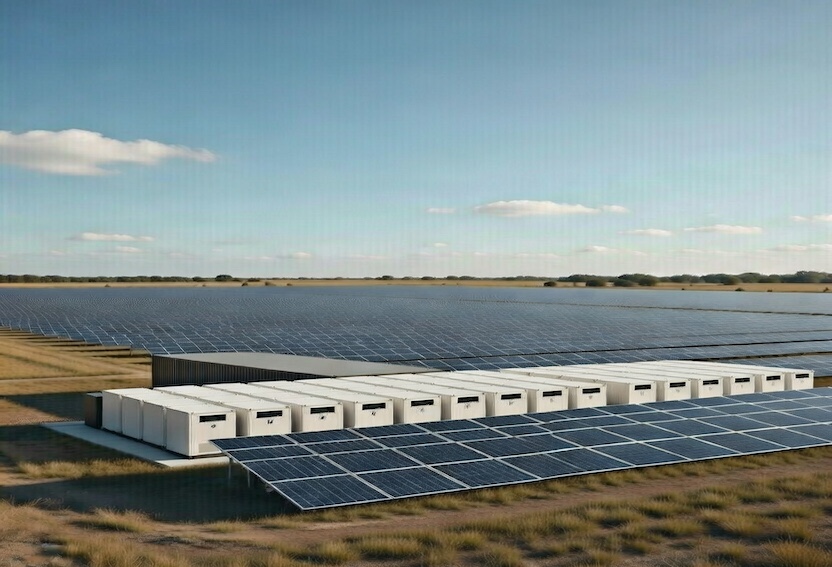
Data centers can be built entirely off-grid using renewable energy sources.
The rapid application of artificial intelligence (AI) is driving the rapid construction of data centers. Previously, data centers required lengthy waiting periods for power approvals and grid connection. Our new energy data centers can be rapidly installed on flat land using shipping containers, combining photovoltaic power plants and data center equipment. This reduces the timeline for data center construction from annual planning to monthly planning. Furthermore, data center operations can begin simultaneously with the application for power grid access.
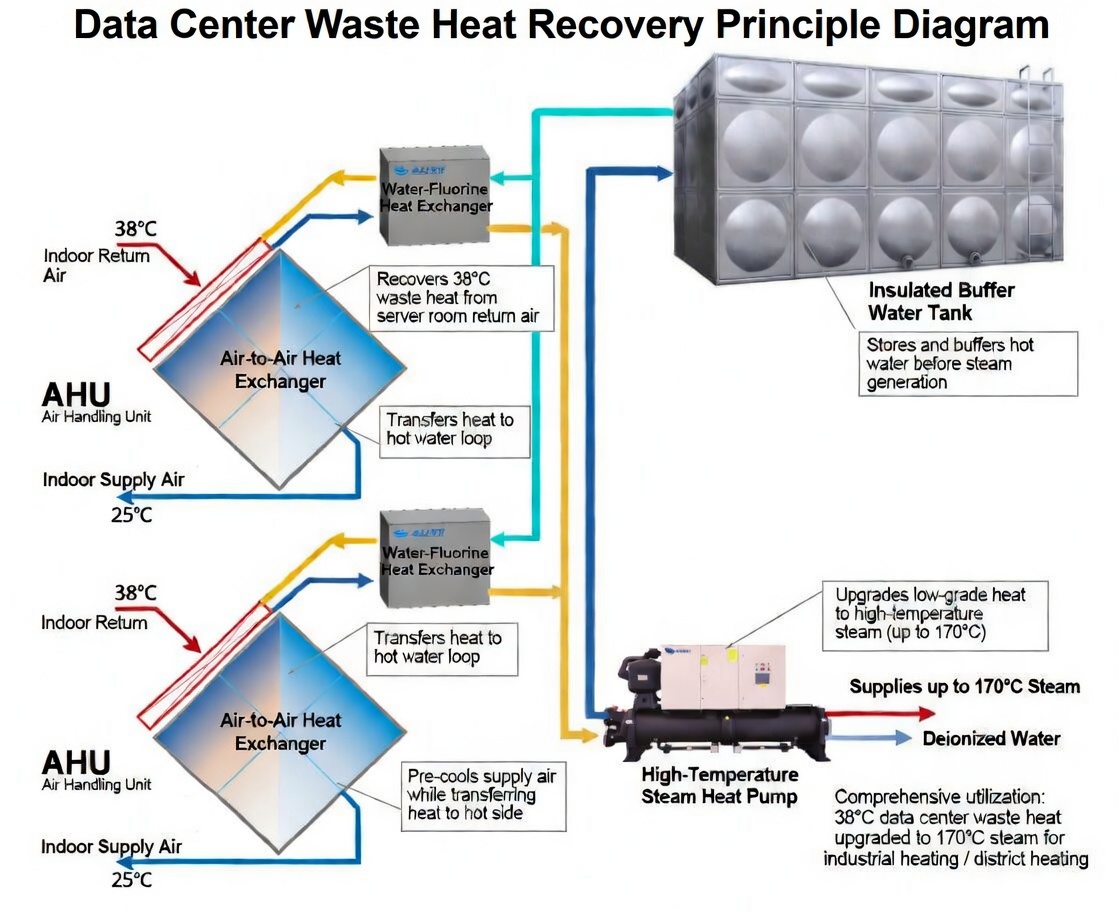
Data centers continuously generate a large amount of stable heat energy during operation. Through heat recovery and energy cascade utilization systems, waste heat that would otherwise be emitted can be converted into reusable energy, improving energy efficiency and reducing carbon emissions. The recovered heat energy can be used for building heating, agricultural greenhouses, industrial drying, domestic hot water systems, and regional energy supply. Compared to traditional energy sources, data center heat energy offers advantages such as continuous year-round output, stable temperature, and scalable deployment, making it particularly suitable for integrated energy systems with renewable energy power plants. By integrating power generation, computing power, and heat utilization into a comprehensive energy solution, overall energy efficiency can be significantly improved, operating costs reduced, and long-term project returns and sustainability enhanced。
Geothermal power plant for sale
Located in the Ring of Fire, Japan is one of the world's richest countries in geothermal resources. Kyushu, with its active volcanoes and concentrated hot springs, is one of the regions in Japan with the highest concentration of geothermal resources and the most mature development conditions. Leveraging its natural geological advantages, Kyushu has become a crucial core area for geothermal power generation in Japan.
Geothermal power generation utilizes underground high-temperature steam or hot water to drive turbines, operating stably 24/7 year-round regardless of day or night or weather, providing a stable baseload power supply. Compared to intermittent renewable energy sources, geothermal power plants offer higher equipment utilization rates and long-term stable output characteristics.
As an important component of Japan's clean energy system, geothermal power generation boasts advantages such as zero fuel cost, low carbon emissions, and long lifespan. Driven by carbon neutrality policies, the development of geothermal resources in Kyushu is becoming a key direction for upgrading the new energy structure.